Why Gen Z will miss their fertility window - my prediction
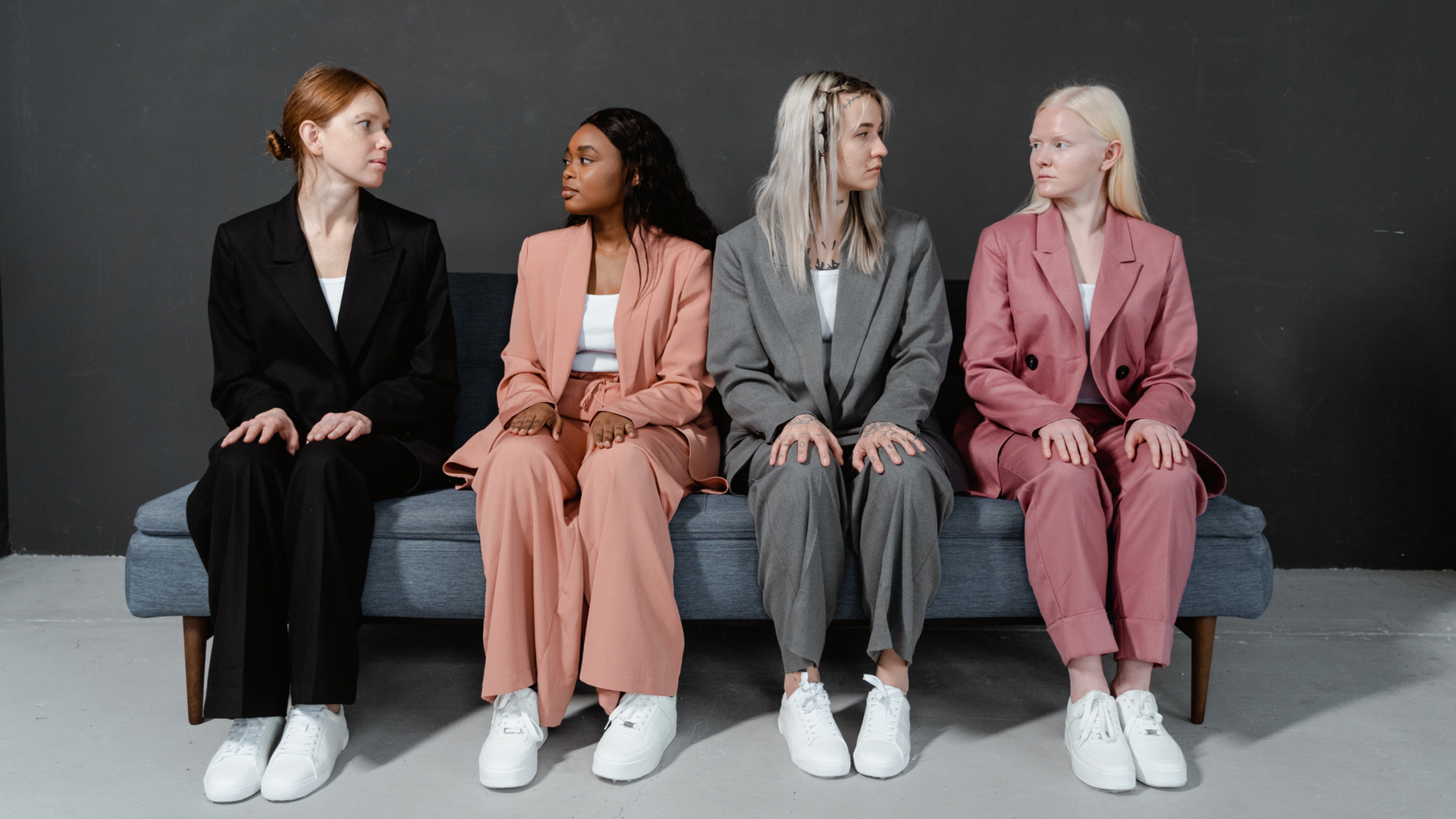
Gen Z is on track to become the first generation to realise - slowly and collectively - that they waited too long to have children.
Not because they didn't want them, but because the world told them they had time.
They don't.
But they do have opportunity.
Birth rates are dropping globally.
People are having children later than ever.
And early data already shows Gen Z is delaying parenthood more than Millennials - 39% cite economic conditions as the reason, according to a Newsweek study this year.
Meanwhile, the science hasn't changed: fertility declines with age, and a 2024 review in Human Reproduction Update confirms that delaying childbearing significantly increases the risk of infertility and involuntary childlessness.
Lifestyle plays a role too.
Gen Z values freedom, travel, autonomy, mental health and flexibility - all valid, all important, and all part of modern life. The challenge is that biology doesn't run on a lifestyle timeline.
A Swedish study found young adults delay parenthood because they want personal growth and stability first.
But those milestones now arrive later than fertility allows. This is why my prediction is blunt: if nothing changes, many in Gen Z will eventually want children - and for a significant number, their only viable option will be donor eggs.
But here's the part that matters: this future is not fixed. Gen Z has a real chance to change the story.
Here are the solutions:
1. Education early, not when it's too late.
Understanding fertility in your 20s - not your late 30s - is the biggest game-changer. Knowledge is power only when it's timely.
2. Egg freezing as a proactive option.
Not a guarantee and not a backup plan - but a way to expand choice. If it's used late, it's far less effective.
3. Normalising conversations.
Talking about fertility should be as normal as talking about careers, finances or relationships. Silence is what costs women the most.
4. Making informed decisions, not accidental ones.
If you want kids "one day", you need to understand what that means biologically. Hope isn't a plan. Awareness is.
5. Designing life with fertility in mind - not as an afterthought.
Gen Z is smart, intentional and values-led. Applying that same mindset to reproductive planning is their biggest advantage.
This is exactly why I created PreservHer - to make fertility education accessible, honest, empowering, and early enough to count.
Because the real issue isn't that Gen Z is making the wrong choices. It's that they were never given the information to make fully informed ones.
Meanwhile, society itself is evolving.
As birth rates drop, partnerships shift, and loneliness increases, new forms of intimacy will emerge.
AI companionship, digital partners, and robotic relationships won't replace human connection, but they will become alternatives in a world where traditional relationship timelines no longer align with biological realities.
Gen Z has the chance to rewrite the pattern Millennials are currently living through.
They can break the cycle of late awareness.
They can protect their future options.
They can change the trajectory - if they act now.
This isn't panic.
It's possibility.
And the opportunity for an entire generation to shape their future, not be blindsided by it.