
Women’s health is evolving - but egg freezing affordability is still missing
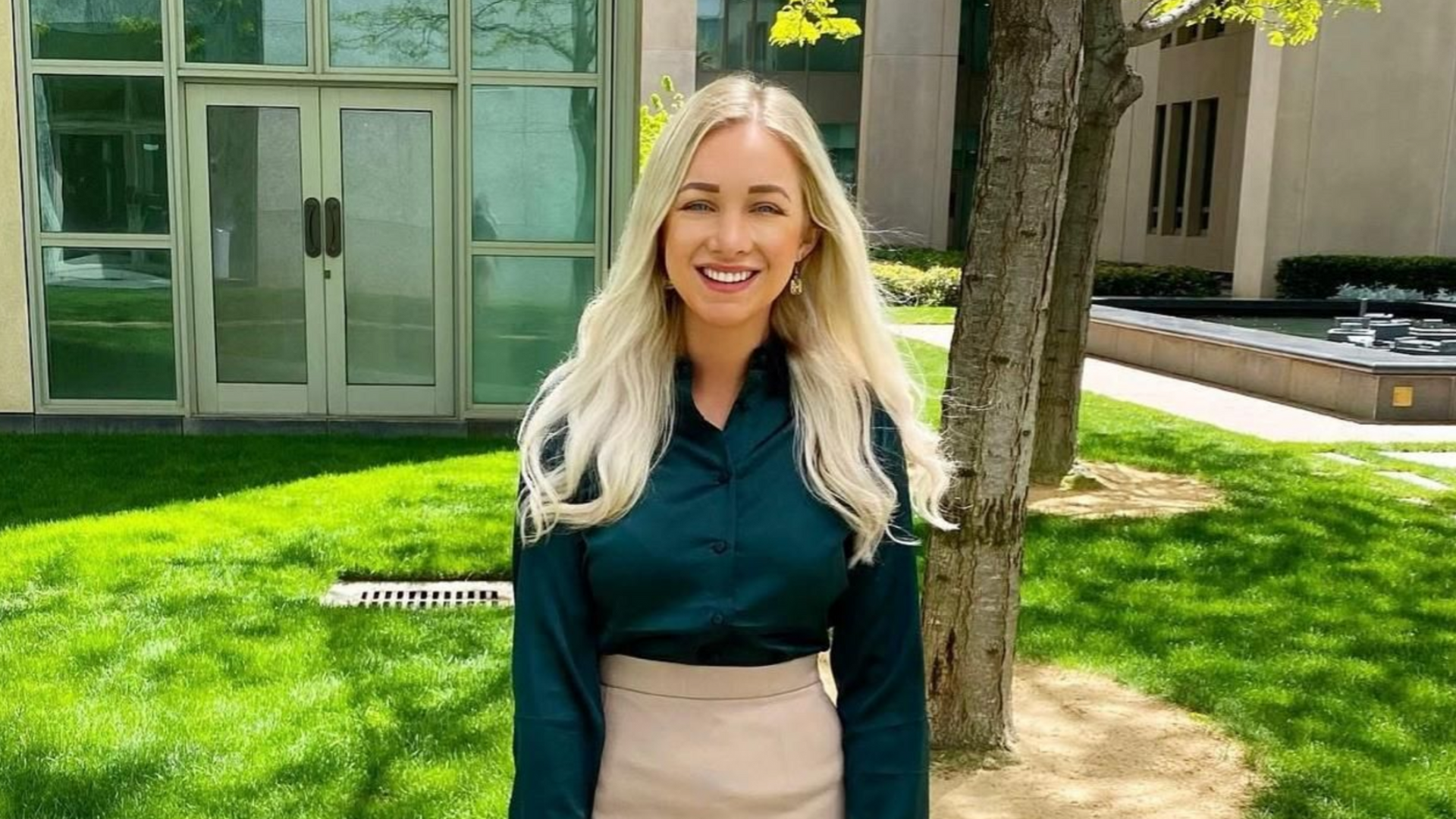
The national conversation around women's reproductive health is evolving - but egg freezing affordability is still a missing piece.
Last night's Federal Budget reinforced something important: women’s health is finally being recognised as a serious national issue.
We've seen significant investment across areas like endometriosis, contraception, menopause, Medicare access, and broader reproductive healthcare.
That matters deeply, and it reflects years of advocacy from women, health professionals, and organisations pushing for change.
For a long time, many women's health concerns were dismissed, underfunded or simply, not prioritised.
So seeing women's health positioned more prominently within national policy conversations is absolutely a step forward.
But there was still one noticeable gap.
Egg freezing accessibility and affordability remain absent from the conversation.
Through building PreservHer, I've spoken to countless women navigating questions around fertility timing, reproductive options, and the emotional complexity that can come with it.
One theme comes up repeatedly: cost.
Not confusion around whether women value fertility options.
Not lack of interest.
Cost.
For many women, egg freezing feels financially out of reach.
And yet more women than ever are considering it.
Not because they're "putting off" motherhood or prioritising careers over family, as the conversation is sometimes simplified to - but because life doesn't always unfold on a perfect timeline.
Relationships don't always happen when expected.
Health circumstances change.
Career and financial stability take time.
And many women are trying to make thoughtful decisions about their future with the information and options available to them.
The reality is that fertility declines with age whether women are fully informed about it or not.
That's why access to earlier fertility education matters.
It's also why conversations around affordability matter.
I froze my eggs at 28 after realising how little most women are taught about fertility timing before they're already confronting difficult decisions.
At the time, I was among the youngest women in Australia publicly speaking about elective egg freezing, and it completely shifted how I thought about women's healthcare, education, and long-term planning.
Since then, I've watched the conversation grow significantly.
What was once considered niche or taboo is now becoming increasingly mainstream.
But despite this shift, egg freezing remains inaccessible for many women because of the cost involved - often thousands, and sometimes tens of thousands, of dollars once medication, storage, and multiple cycles are considered.
This is not about encouraging every woman to freeze her eggs.
Nor is it about creating fear.
It's about ensuring women have access to accurate information early enough to make informed choices, while also recognising that reproductive healthcare should not only be accessible to those who can comfortably afford it.
Women's health is evolving into a broader conversation about prevention, long-term planning, autonomy and informed choice.
Egg freezing belongs within that conversation, too.
There is still a long way to go when it comes to ensuring Australian women have earlier access to fertility education, clearer information, and equitable reproductive healthcare options - but the conversation is moving in the right direction.
And I believe it's only going to keep growing.